


6 George Street
Hailsham
East Sussex
BN27 1AE
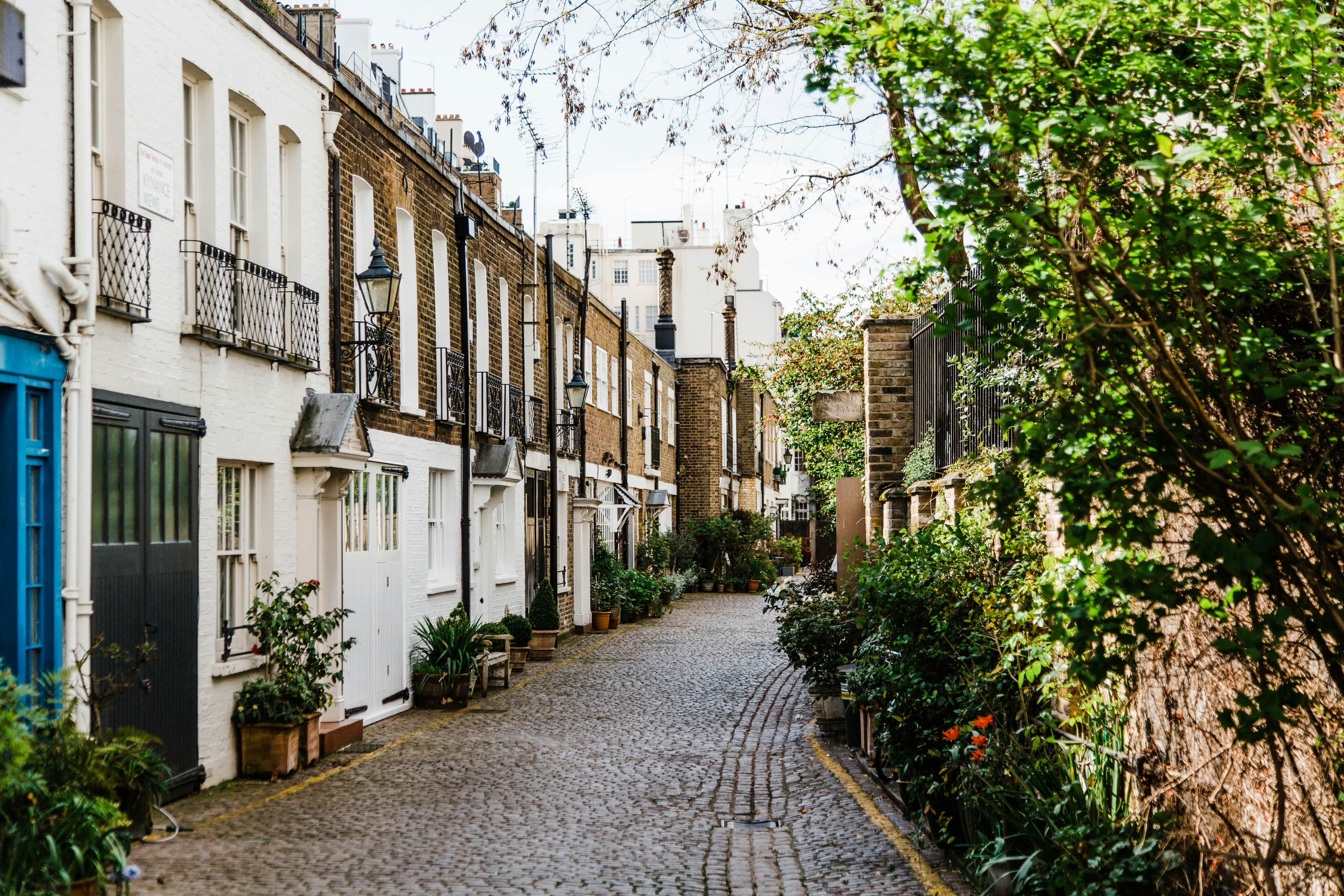
Owning a country estate has long represented one of the most desirable forms of property ownership. Offering exceptional privacy, expansive grounds and beautifully designed homes, country estates provide a lifestyle that combines luxury with the tranquillity of rural living.
Whether you're searching for a historic manor house, a modern country residence or an estate with extensive land, a country estate offers far more than simply a place to live. It provides space to relax, entertain, work and enjoy the natural environment, often with opportunities that simply cannot be found in more conventional residential properties.
At Bates & Co, we understand that buyers looking for country estates are often seeking something truly unique. Every estate has its own history, setting and character, making each property a distinctive opportunity.
From elegant period residences surrounded by mature parkland to contemporary homes with extensive acreage, country estates continue to attract buyers looking for privacy, prestige and a remarkable quality of life.
A country estate is typically a substantial property set within extensive grounds, offering a combination of residential accommodation, gardens, land and, in many cases, additional buildings.
Country estates vary considerably in size and style but commonly include:
Large detached homes
Manor houses
Country houses
Historic residences
Farmhouses
Barns and outbuildings
Guest accommodation
Private driveways
Landscaped gardens
Woodland
Paddocks
Agricultural land
Some estates comprise only a few acres, while others extend to hundreds of acres.
What defines a country estate is the overall lifestyle it provides rather than simply the size of the house.
Country estates appeal to buyers for many different reasons.
For some, the attraction lies in the privacy and space.
Others are drawn by the opportunity to enjoy outdoor living, equestrian pursuits, farming, conservation or simply a quieter pace of life.
A country estate can provide:
Complete privacy
Beautiful surroundings
Flexible accommodation
Opportunities for entertaining
Space for family life
Long-term investment potential
For many owners, the estate becomes not just a home but a lifestyle centred around nature, family and personal interests.
Life in the countryside offers a pace and atmosphere that many buyers find increasingly attractive.
Country estates provide the opportunity to enjoy:
Peace and quiet
Open landscapes
Fresh air
Wildlife
Outdoor recreation
Greater privacy
While every estate is different, many combine rural tranquillity with convenient access to nearby towns, transport links and essential amenities.
For buyers seeking a better work-life balance, a country estate can provide an ideal environment for both family life and remote working.
Luxury country estates combine traditional charm with modern comfort.
Many have been carefully renovated to provide contemporary living while preserving the architectural features that make them unique.
Luxury features may include:
Grand entrance halls
Bespoke kitchens
Principal bedroom suites
Indoor swimming pools
Home gyms
Cinema rooms
Wine cellars
Smart home technology
Landscaped gardens
Tennis courts
These properties are designed to provide exceptional comfort while maintaining their distinctive character.
Historic estates remain among the most prestigious properties available.
These homes often reflect centuries of architectural development and craftsmanship.
Examples may include:
Georgian manor houses
Victorian country residences
Edwardian estates
Listed buildings
Historic farmhouses
Many feature original architectural details such as:
Stone staircases
Ornate fireplaces
Decorative ceilings
Timber beams
Sash windows
Traditional libraries
Owning a historic estate offers the opportunity to become part of a property's ongoing story while preserving its heritage for future generations.
Not all country estates are historic.
Contemporary estates have become increasingly popular among buyers seeking:
Clean architectural design
Energy efficiency
Open-plan living
Smart home systems
Low-maintenance luxury
Modern estates often maximise natural light through extensive glazing and create a seamless connection between indoor and outdoor living.
They provide all the benefits of rural surroundings while delivering the convenience expected of a contemporary luxury home.
Manor houses represent some of the finest examples of country estate living.
Traditionally the centre of rural estates, manor houses are often characterised by:
Impressive architecture
Formal reception rooms
Grand staircases
Extensive grounds
Historic significance
Many have been sympathetically updated to meet modern expectations while retaining their original elegance.
Land is one of the defining features of many country estates.
The amount of land varies considerably, ranging from a few acres to substantial private holdings.
Land may include:
Formal gardens
Woodland
Parkland
Meadows
Agricultural fields
Paddocks
Lakes
Orchards
The type of land often influences how an estate can be enjoyed, whether for recreation, conservation or sporting activities.
Woodland adds both beauty and privacy to a country estate.
Private woodland can provide:
Walking routes
Wildlife habitats
Shelter
Natural screening
Seasonal interest
Many buyers value woodland as an important lifestyle feature that enhances the character of the estate.
Water features create an exceptional focal point within an estate.
Private lakes and ponds may offer opportunities for:
Fishing
Wildlife conservation
Boating
Relaxation
A lake can also significantly enhance the landscape and overall appeal of a country property.
Gardens play a central role in many country estates.
They may include:
Formal lawns
Walled gardens
Rose gardens
Kitchen gardens
Terraces
Mature trees
Seasonal planting
Beautiful gardens provide outdoor living spaces that complement the architecture of the main house.
Luxury estates are often designed with entertaining in mind.
Features may include:
Grand dining rooms
Drawing rooms
Outdoor terraces
Summer kitchens
Guest accommodation
Event spaces
These properties provide ideal settings for family celebrations, social gatherings and formal entertaining.
Large estates offer flexibility for extended families.
Accommodation may include:
Separate annexes
Guest cottages
Converted barns
Staff accommodation
This versatility allows multiple generations to enjoy independent living while remaining connected.
No two country estates are exactly alike.
Some are centred around grand period houses set within landscaped gardens, while others are working rural estates with farmland, woodland or equestrian facilities. Modern country estates may showcase contemporary architecture and sustainable technologies, while historic estates often reflect centuries of craftsmanship and heritage.
This variety is one of the reasons country estates continue to attract buyers from a wide range of backgrounds. Whether your priority is privacy, sporting opportunities, entertaining or creating a family legacy, there is a country estate to suit almost every lifestyle.
For buyers with a passion for horses, an equestrian estate offers the opportunity to combine luxury living with first-class equestrian facilities.
These estates often include:
Stables
Tack rooms
Feed stores
Riding arenas
Horse walkers
Paddocks
Grazing land
Field shelters
Some larger estates also feature direct access to bridleways or private riding routes, allowing owners to enjoy riding without transporting horses to external facilities.
An equestrian estate provides both convenience and flexibility, making daily horse care significantly easier while creating an exceptional rural lifestyle.
Sporting estates have a long history and continue to appeal to buyers seeking extensive land and outdoor pursuits.
Depending on the size and nature of the estate, features may include:
Woodland
Lakes
Rivers
Open pasture
Managed habitat
Game cover
Many owners enjoy activities such as:
Walking
Fishing
Wildlife watching
Conservation projects
Outdoor recreation
While some historic sporting estates retain traditional sporting interests, many modern owners focus on biodiversity, conservation and environmental stewardship.
Not every country estate is purely residential.
Some continue to operate as working rural businesses, incorporating:
Agricultural land
Livestock grazing
Arable farming
Forestry
Holiday accommodation
Commercial buildings
Working estates may provide opportunities for owners wishing to diversify income streams or continue long-established rural enterprises.
For buyers with agricultural interests, these estates offer considerable flexibility and long-term potential.
Agricultural land remains an important feature of many country estates.
The amount of land can vary from a handful of acres to extensive farming holdings.
Potential uses include:
Grazing livestock
Hay production
Cropping
Conservation projects
Woodland creation
Environmental schemes
Even buyers with no intention of farming often appreciate the privacy and open landscape that agricultural land provides.
Woodland creates an entirely different atmosphere within a country estate.
Ancient woodland, mixed plantations and managed forestry all contribute to the beauty and biodiversity of a rural property.
Benefits include:
Natural privacy
Seasonal colour
Wildlife habitats
Walking trails
Timber management opportunities
Many buyers value woodland because it enhances both the environmental and recreational appeal of an estate.
Parkland remains one of the defining features of traditional country estates.
Originally designed to frame grand country houses, parkland often includes:
Rolling lawns
Mature specimen trees
Sweeping driveways
Formal avenues
Lakes and ornamental ponds
These carefully planned landscapes create a dramatic setting that enhances the architecture of the main residence.
Large estates frequently include additional residential buildings.
These may consist of:
Guest cottages
Converted barns
Gate lodges
Annexes
Staff accommodation
This flexibility allows owners to:
Host visiting family
Welcome guests
Provide independent accommodation
Create rental opportunities
Additional buildings often become one of the estate's most valuable lifestyle features.
Country estates have traditionally been places for entertaining.
Today's buyers continue to value homes capable of hosting:
Family celebrations
Garden parties
Formal dinners
Charity events
Business gatherings
Popular entertaining features include:
Grand reception rooms
Large dining spaces
Outdoor terraces
Orangery extensions
Swimming pools
Outdoor kitchens
These spaces create homes that work equally well for everyday family life and special occasions.
Many historic estates have been sympathetically modernised to suit contemporary lifestyles.
Owners increasingly seek homes that combine:
Historic architecture
Modern comfort
Energy efficiency
Smart technology
Sensitive improvements may include:
Bespoke kitchens
Luxury bathrooms
Underfloor heating
High-speed broadband
Home automation
Renewable energy systems
The most successful renovations respect the property's heritage while ensuring it remains practical for modern living.
Environmental responsibility has become increasingly important to buyers of rural property.
Many estates now incorporate sustainable features designed to reduce environmental impact while improving efficiency.
Examples include:
Solar energy
Ground source heat pumps
Air source heat pumps
Rainwater harvesting
Biomass heating
Electric vehicle charging
Larger estates may also support:
Woodland management
Habitat restoration
Wildflower meadows
Carbon reduction initiatives
Sustainability has become an important consideration alongside luxury and lifestyle.
The ability to work from home has transformed expectations of country living.
Country estates often provide ideal environments for remote working, offering:
Peace and privacy
Dedicated office space
Separate studios
Converted outbuildings
Meeting rooms
For many professionals, an estate offers the opportunity to balance a successful career with an exceptional quality of life.
Luxury buyers increasingly look for homes that support health and wellbeing.
Many country estates include facilities such as:
Indoor swimming pools
Gyms
Yoga studios
Spa areas
Tennis courts
Walking trails
These amenities allow owners to enjoy an active lifestyle without leaving the property.
One of the greatest attractions of country estates is their architectural diversity.
Buyers may encounter:
Known for:
Symmetry
Elegant proportions
Sash windows
Formal layouts
Often featuring:
Decorative brickwork
High ceilings
Grand staircases
Bay windows
Recognised for:
Bright interiors
Spacious rooms
Larger windows
Family-friendly layouts
Offering:
Minimalist architecture
Open-plan living
Extensive glazing
Modern materials
Each architectural style appeals to different buyers, but all can provide exceptional country living.
One of the greatest benefits of a country estate is privacy.
Unlike many residential properties, estates often provide:
Long private driveways
Gated entrances
Mature trees
Extensive boundaries
Significant separation from neighbouring properties
Privacy allows homeowners to enjoy their surroundings without interruption and remains one of the defining characteristics of luxury rural living.
Although many estates are visually impressive, they are also designed to function as practical family homes.
Benefits may include:
Multiple reception rooms
Spacious kitchens
Numerous bedrooms
Guest accommodation
Large gardens
Outdoor recreation space
Children benefit from the freedom to enjoy the outdoors, while adults appreciate the balance between privacy, comfort and entertaining opportunities.
One of the greatest strengths of a country estate is its adaptability.
An estate may evolve alongside its owners' changing needs.
Over the years, spaces can be adapted to provide:
Home offices
Guest accommodation
Hobby rooms
Fitness areas
Studios
Multi-generational living
This flexibility ensures that a country estate remains suitable throughout different stages of life.
Buying a country estate is often very different from purchasing a conventional home.
While location, size and condition remain important considerations, estate buyers are also evaluating lifestyle, land, long-term potential and how the property will support their future plans.
For many purchasers, a country estate represents the fulfilment of a long-held ambition. Whether it is a private family retreat, an equestrian property, a working rural estate or a heritage home, every estate offers a unique combination of opportunities.
Likewise, selling a country estate requires specialist knowledge. Premium buyers expect exceptional presentation, detailed information and a marketing approach that reflects the exclusivity of the property.
At Bates & Co, we recognise that country estates occupy a distinctive position within the property market and require a tailored strategy from valuation through to completion.
Purchasing a country estate involves more than selecting a beautiful home.
Buyers should consider how the entire property will function, both immediately and over the years ahead.
Important considerations include:
The size of the estate
The condition of the main residence
Land management requirements
Additional buildings
Accessibility
Running costs
Future development potential
Every estate offers different possibilities, making careful assessment an important part of the buying process.
Before beginning a search, it helps to establish what you want your estate to provide.
Some buyers prioritise:
Privacy
Architectural beauty
Family living
Entertaining
Others may be looking for:
Agricultural opportunities
Equestrian facilities
Sporting land
Woodland
Conservation projects
Understanding your priorities makes it easier to identify properties that genuinely suit your lifestyle.
The land surrounding an estate is often one of its greatest assets.
However, buyers should carefully consider how they intend to use it.
Questions to ask include:
How much maintenance will the grounds require?
Is the land currently managed?
Are there public rights of way?
Are there protected habitats or trees?
Are there opportunities for future planting or landscaping?
A beautifully maintained estate can become one of the most rewarding aspects of ownership.
Many country estates include a variety of additional structures.
These may include:
Barns
Stables
Garages
Workshops
Guest cottages
Gate lodges
Garden buildings
These buildings can provide exceptional flexibility.
Potential uses include:
Home offices
Studios
Guest accommodation
Leisure facilities
Secure storage
Hobby spaces
When viewing an estate, it is worth considering not only how these buildings are currently used but also how they could support future lifestyle changes.
Although privacy is a key attraction of country estates, accessibility remains important.
Consider factors such as:
Road access
Travel times
Rail connections
Broadband availability
Mobile coverage
Many buyers seek a balance between rural tranquillity and practical connectivity for work, education and travel.
Owning an estate involves ongoing management.
Depending on the size and nature of the property, responsibilities may include:
Garden maintenance
Woodland management
Boundary upkeep
Building maintenance
Drainage
Driveway maintenance
Security
Some owners choose to employ estate managers or specialist contractors, while others enjoy being directly involved in maintaining the property.
Many country estates evolve over time.
Owners frequently invest in improvements that enhance comfort while preserving character.
Typical projects include:
Restoring original architectural features
Modernising kitchens and bathrooms
Improving energy efficiency
Renovating outbuildings
Creating additional accommodation
Enhancing gardens and landscaping
The most successful improvements respect the property's heritage while making it better suited to contemporary living.
Many estates include buildings of historical significance.
Maintaining original features such as:
Stonework
Timber joinery
Traditional windows
Decorative plasterwork
Historic staircases
helps preserve the architectural integrity of the property.
Careful restoration can also enhance the estate's long-term desirability.
Selling a country estate requires a different marketing approach from selling a conventional home.
Buyers at this level of the market are often looking for something highly specific.
They are not simply comparing properties by square footage or number of bedrooms.
Instead, they are assessing:
Lifestyle
Privacy
Architecture
Land
Potential
Overall quality
A carefully planned marketing campaign should reflect these priorities.
Presentation is essential.
Every part of the estate contributes to the first impression.
Preparation may include:
Ensure:
Interiors are well presented
Key architectural features are highlighted
Rooms feel spacious and welcoming
Present:
Lawns
Borders
Terraces
Outdoor seating areas
Well-maintained gardens immediately reinforce the quality of the estate.
Even practical buildings should appear tidy and well maintained.
Barns, garages and workshops often represent valuable assets for buyers.
Exceptional photography is essential when marketing a country estate.
Images should capture:
The approach to the property
Architectural details
Reception rooms
Gardens
Land
Outbuildings
Views
Lifestyle photography can also help buyers imagine how they might enjoy the estate.
Country estates are uniquely suited to aerial photography.
Drone imagery helps buyers understand:
The scale of the property
The layout of the grounds
Relationships between buildings
Surrounding landscapes
For larger estates, aerial images often become one of the most effective marketing tools.
Luxury buyers increasingly expect high-quality video presentation.
A professionally produced video can showcase:
Interior flow
Architectural character
Outdoor spaces
Landscapes
Lifestyle opportunities
Video helps create an emotional connection that static images alone cannot always achieve.
Every country estate has a story.
It may involve:
Historic ownership
Architectural evolution
Landscape design
Family history
Sensitive restoration
A compelling property description should communicate not only facts but also the character and atmosphere of the estate.
This helps buyers appreciate what makes the property genuinely distinctive.
Estate valuation requires specialist expertise.
Unlike standard residential homes, many estates have few directly comparable properties.
Valuation takes into account:
Size of the residence
Architectural quality
Historic significance
Acreage
Additional buildings
Privacy
Condition
Market demand
A carefully considered valuation helps position the estate appropriately within the premium property market.
Many buyers view a country estate as both a lifestyle purchase and a long-term investment.
Factors supporting long-term appeal include:
Scarcity of comparable properties
Architectural significance
Land ownership
Lifestyle demand
Strong presentation
Although market conditions fluctuate, exceptional estates continue to attract interest because they offer qualities that cannot easily be replicated.
For many owners, a country estate becomes far more than a home.
It becomes:
A gathering place for generations
A setting for celebrations
A place where traditions develop
A lasting family asset
The opportunity to create a legacy is one of the reasons country estates continue to hold such enduring appeal.
Country estates remain among the most prestigious residential properties available because they combine:
Exceptional homes
Beautiful landscapes
Privacy
Flexibility
Heritage
Lifestyle
Whether historic or contemporary, large or modest in scale, they provide an experience of home ownership that few other property types can match.
Finding the right buyer for a country estate requires more than traditional estate agency marketing.
Exceptional rural properties attract buyers who are looking for a particular lifestyle as much as a particular home. They may be searching for privacy, architectural significance, land, equestrian facilities, sporting opportunities or simply a peaceful setting in which to enjoy family life.
At Bates & Co, we recognise that every country estate is unique. Our approach focuses on understanding the property's individual strengths and presenting them in a way that resonates with discerning buyers.
Rather than simply listing features, we help communicate the experience of owning an exceptional country property.
Country estates deserve a bespoke approach.
These are rarely properties that can be compared directly with neighbouring homes, and their value often extends well beyond the main residence.
Our approach is built around:
Local property expertise
Honest, professional advice
High-quality marketing
Personal service
Attention to detail
Strong communication
Whether you are buying or selling, our aim is to provide a service that reflects the quality of the property itself.
Every country estate tells a different story.
Some are defined by their architectural heritage, while others stand out because of their gardens, parkland, equestrian facilities or contemporary design.
A tailored marketing strategy ensures those strengths are placed at the centre of every campaign.
This may include:
Professional photography
Drone and aerial imagery
Lifestyle-led property descriptions
Detailed floorplans
Targeted digital marketing
Exposure across major property portals
Social media promotion
Direct communication with registered buyers
The objective is not simply to generate enquiries, but to attract the right enquiries.
Buyers searching for country estates expect a high standard of presentation.
Marketing should highlight not only the main house, but also the wider estate, including:
Gardens
Woodland
Parkland
Lakes
Outbuildings
Driveways
Views
Lifestyle opportunities
By presenting the estate as a complete lifestyle offering, buyers can better appreciate its full potential.
Valuing a country estate requires experience and careful analysis.
Factors that influence value include:
Overall acreage
Architectural style
Condition of the main residence
Quality of additional buildings
Privacy
Accessibility
Historic significance
Market demand
Because every estate is different, an accurate valuation relies on professional judgement as well as market evidence.
For buyers, searching for a country estate is often a long-term ambition.
The process benefits from working with an estate agent who understands:
Rural property
Country lifestyles
Land ownership
Heritage buildings
Premium property marketing
Whether you are looking for a traditional manor house, an equestrian estate, a country residence with land or a contemporary rural retreat, our team can help you identify properties that align with your goals.
A country estate is generally a substantial residential property set within extensive grounds, often including gardens, land, woodland, paddocks or additional buildings.
While some estates cover only a few acres, others may extend across hundreds of acres.
No.
Although many estates are historic, there are also contemporary country estates designed around modern architecture, sustainability and open-plan living.
Both traditional and modern estates can offer exceptional luxury and privacy.
Additional buildings may include:
Guest cottages
Barns
Stables
Workshops
Garages
Gate lodges
Garden rooms
Studios
These provide flexibility for a wide range of uses.
There is no fixed size.
Some estates comprise a few acres of gardens and grounds, while others include extensive agricultural land, woodland or parkland extending over many hundreds of acres.
Yes.
Many country estates provide:
Spacious homes
Large gardens
Outdoor recreation
Flexible accommodation
Guest space
Privacy
These qualities make them particularly attractive to families seeking a long-term home.
Many estates include paddocks or stables suitable for private equestrian use.
Others may have the space to create equestrian facilities, subject to any necessary permissions and practical considerations.
Generally, larger properties require more ongoing maintenance than standard homes.
Responsibilities may include:
Garden care
Woodland management
Building maintenance
Boundary repairs
Driveway upkeep
Many owners employ specialist contractors or estate managers to assist with larger estates.
Depending on planning policies and the nature of the buildings, some outbuildings may have potential for conversion into guest accommodation, offices, leisure facilities or ancillary residential space.
Professional advice should always be sought before undertaking any works.
While property values can fluctuate, exceptional country estates continue to attract demand because of their rarity, lifestyle appeal and limited supply.
Many buyers view them as both lifestyle purchases and long-term family assets.
Important considerations include:
Condition of the house
Quality of the grounds
Privacy
Access
Additional buildings
Future maintenance requirements
Potential for adaptation
Taking time to understand the estate as a whole is just as important as evaluating the main residence.
Yes.
Many estates offer:
Dedicated offices
Excellent privacy
Separate buildings
Flexible accommodation
Combined with reliable connectivity, they can provide an ideal environment for modern working patterns.
A country house refers primarily to the main residence, whereas a country estate usually encompasses the house together with its wider grounds, land, outbuildings and supporting features.
A country estate offers a lifestyle that few other properties can match.
Whether you are searching for a grand manor house, a private rural retreat, a working estate, an equestrian property or a contemporary residence surrounded by open countryside, the right estate can provide space, freedom and lasting enjoyment for generations to come.
From mature parkland and beautiful gardens to elegant reception rooms and flexible accommodation, country estates represent some of the finest homes available on the market.
At Bates & Co, we understand that buying or selling a country estate is a significant decision.
Our experienced team provides a professional, discreet and personalised service, helping clients navigate every stage of the process with confidence.
Whether you are beginning your search for an exceptional rural property or considering bringing your estate to market, we are here to help.
Contact Bates & Co today to discuss your requirements and discover how our expertise in premium property can help you achieve your goals.