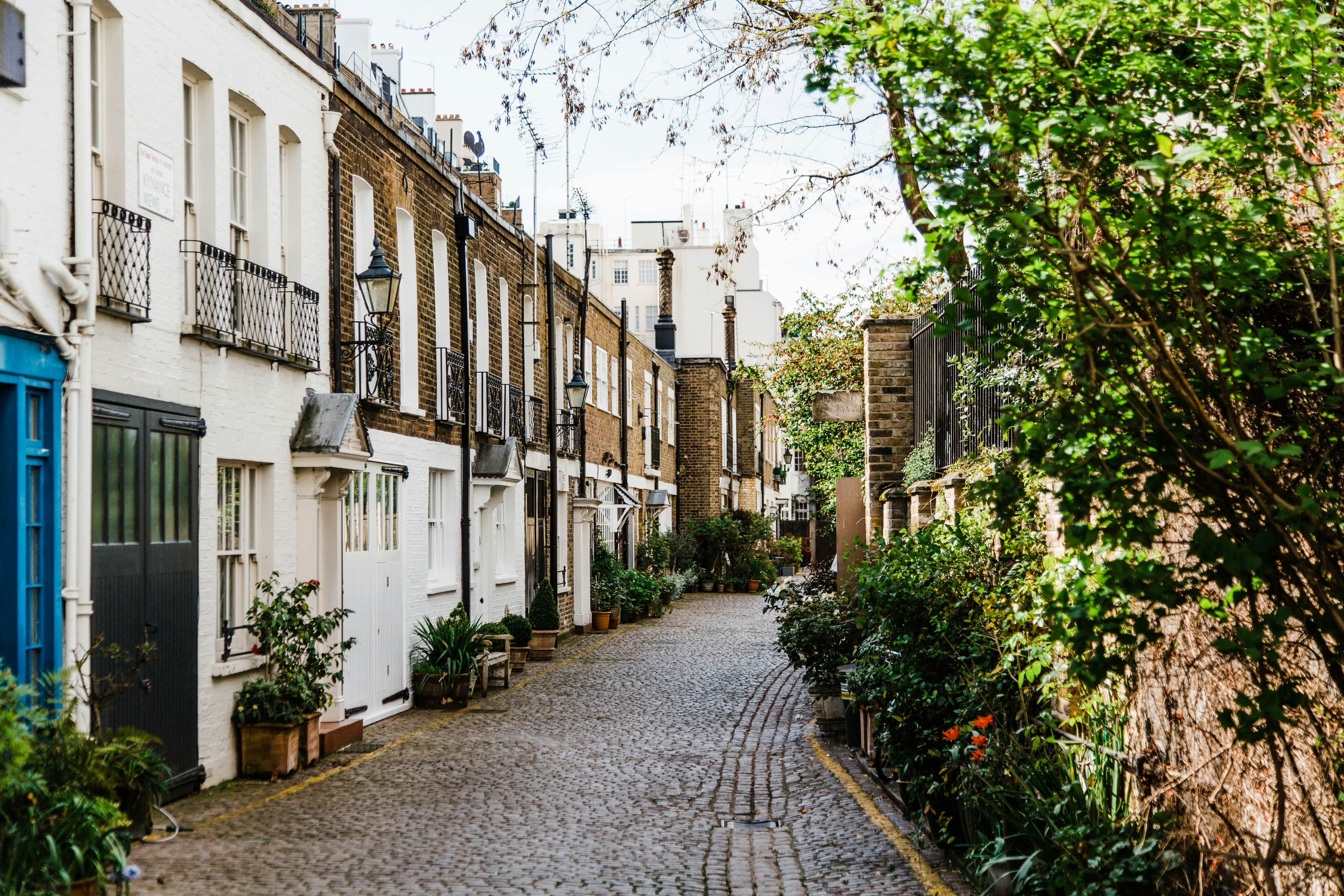
A manor house represents one of the most prestigious and timeless forms of residential property. Combining architectural grandeur, rich heritage and exceptional surroundings, these remarkable homes continue to captivate buyers seeking a property of genuine distinction.
From elegant Georgian residences and Jacobean country houses to sympathetically restored Victorian manor homes, manor houses offer an unrivalled blend of history, craftsmanship and modern luxury.
For many buyers, purchasing a manor house is about more than acquiring a beautiful property. It is about embracing a lifestyle defined by privacy, space and character, while becoming the custodian of a home that may have stood for centuries.
At Bates & Co, we understand that every manor house is unique. Each property has its own architectural identity, history and setting, making every purchase a truly individual opportunity.
Whether you are searching for a magnificent country residence, a heritage property with extensive grounds or a family home filled with period character, manor houses remain among the most desirable homes available.
Traditionally, a manor house was the principal residence within a manor, often associated with agricultural land and the local community.
Today, the term generally refers to a substantial country residence distinguished by its architectural importance, generous accommodation and impressive grounds.
Although styles vary considerably, manor houses typically feature:
Grand reception rooms
Multiple bedrooms
High ceilings
Original architectural detailing
Extensive gardens
Private driveways
Mature parkland
Ancillary buildings
Many manor houses also include:
Guest accommodation
Coach houses
Stables
Barns
Gate lodges
Walled gardens
Woodland
These properties combine elegance with practicality, offering generous living space suitable for both family life and entertaining.
Few properties provide the same sense of permanence and prestige as a manor house.
Buyers are often attracted by qualities such as:
Architectural beauty
Historic significance
Privacy
Exceptional craftsmanship
Extensive grounds
Lifestyle opportunities
Unlike modern homes, manor houses frequently showcase handcrafted materials and design features that have stood the test of time.
Owning a manor house allows buyers to enjoy a property with genuine character while creating new memories within an historic setting.
Historic homes continue to command strong interest because they offer individuality.
No two manor houses are exactly alike.
Their appeal often lies in:
Original stonework
Decorative plasterwork
Timber beams
Grand staircases
Traditional libraries
Formal dining rooms
Elegant drawing rooms
These architectural features contribute to a home that feels distinctive and full of personality.
Manor houses have evolved over centuries, resulting in a rich variety of architectural styles.
Tudor manor houses are renowned for:
Timber framing
Decorative brickwork
Leaded windows
Large chimneys
Oak interiors
These homes often possess exceptional historic charm and distinctive period detailing.
Jacobean architecture is recognised for:
Ornate stonework
Imposing façades
Mullioned windows
Decorative gables
Many Jacobean manor houses remain among Britain's most impressive heritage properties.
Georgian homes are admired for their elegance and symmetry.
Typical features include:
Balanced façades
Sash windows
High ceilings
Grand staircases
Classical proportions
Their timeless architecture continues to appeal to modern buyers.
Victorian manor houses often provide:
Large family accommodation
Decorative interiors
Bay windows
Impressive reception rooms
Extensive gardens
These homes successfully combine grandeur with practicality.
Edwardian manor houses are appreciated for:
Spacious layouts
Bright interiors
Wide hallways
Large windows
Comfortable family living
Many offer an excellent balance between period elegance and modern usability.
Luxury manor houses combine heritage with contemporary comfort.
Sensitive renovation allows many historic homes to provide:
Bespoke kitchens
Luxury bathrooms
Smart home technology
Energy-efficient systems
Home cinemas
Wine cellars
Wellness facilities
Modern additions are often carefully integrated to preserve the property's original architectural character.
Land is one of the defining features of many manor houses.
Properties may include:
Formal gardens
Parkland
Woodland
Meadows
Paddocks
Lakes
Orchards
The surrounding grounds contribute significantly to the property's privacy, beauty and overall value.
Many manor houses are complemented by beautifully designed gardens.
Features may include:
Rose gardens
Walled gardens
Herbaceous borders
Ornamental ponds
Topiary
Mature trees
Garden terraces
These landscapes provide elegant settings for both relaxation and entertaining.
Parkland creates a magnificent approach to a manor house.
Sweeping lawns, mature trees and carefully designed landscapes enhance the scale and prestige of the property.
Parkland often provides:
Privacy
Walking routes
Wildlife habitats
Beautiful views
Private woodland adds another dimension to estate living.
Benefits include:
Natural screening
Wildlife
Seasonal interest
Woodland walks
Conservation opportunities
Woodland also contributes to the peaceful atmosphere that many buyers seek.
Although manor houses are visually impressive, they also function exceptionally well as family homes.
Large properties often include:
Multiple reception rooms
Family kitchens
Home offices
Guest suites
Children's playrooms
Games rooms
Flexible accommodation allows the home to adapt as family needs change.
Manor houses have traditionally been designed for entertaining.
Features often include:
Grand dining rooms
Drawing rooms
Music rooms
Libraries
Outdoor terraces
Garden rooms
These spaces create ideal settings for:
Family celebrations
Weddings
Charity events
Business entertaining
Social gatherings
Many manor houses include additional buildings suitable for:
Visiting family
Long-term guests
Staff accommodation
Home offices
Examples include:
Coach houses
Converted barns
Gate lodges
Garden cottages
These buildings provide valuable flexibility.
Modern buyers increasingly seek properties that combine heritage with convenience.
Many manor houses now feature:
Open-plan kitchen extensions
Underfloor heating
Renewable energy systems
High-speed broadband
Smart lighting
Security technology
The challenge lies in introducing these improvements sympathetically, preserving the building's character while enhancing comfort.
A manor house offers a lifestyle unlike almost any other type of property.
While these homes are admired for their architecture and history, their true appeal comes from the way they allow owners to live. Spacious interiors, private grounds and flexible accommodation create opportunities for family life, entertaining, working from home and enjoying the surrounding landscape.
For many buyers, a manor house represents the perfect balance between heritage and modern living.
It provides the opportunity to enjoy:
Exceptional privacy
Beautiful surroundings
Generous living spaces
Architectural character
A connection with history
The freedom of country living
Owning a manor house is about creating a home that can be enjoyed for generations.
Life in a manor house is defined by space and flexibility.
Unlike many modern properties, manor houses often provide a variety of rooms that can be adapted to suit different lifestyles.
A traditional drawing room can become a family sitting room. A former library can become a home office. A coach house can become guest accommodation or a creative studio.
This adaptability is one of the reasons historic properties remain popular with modern buyers.
One of the most immediately appealing features of a manor house is the scale of the accommodation.
Many properties include:
Large entrance halls
Multiple reception rooms
Formal dining rooms
Libraries
Studies
Conservatories
Extensive bedroom accommodation
The generous proportions create a feeling of comfort and elegance.
High ceilings, large windows and carefully crafted details help create interiors that feel both impressive and welcoming.
Reception rooms are often central to the character of a manor house.
Traditional spaces may include:
Designed for relaxation and entertaining, drawing rooms often feature:
Original fireplaces
Decorative ceilings
Large windows
Period detailing
Libraries remain highly desirable features.
They provide:
Quiet working spaces
Reading areas
Private retreats
Formal dining rooms continue to appeal to buyers who enjoy entertaining family and guests.
They provide settings for:
Special occasions
Celebrations
Formal dinners
Despite their grandeur, manor houses can make exceptional family homes.
Modern families often value:
Multiple living areas
Spacious kitchens
Private bedrooms
Outdoor space
Flexible accommodation
A manor house can provide room for every stage of family life.
Children may benefit from:
Gardens
Woodland
Outdoor recreation
Space to explore
Adults can enjoy:
Privacy
Entertaining areas
Home offices
Peaceful surroundings
The kitchen has become one of the most important areas of modern manor houses.
While historic properties often contained separate service kitchens, contemporary renovations frequently create impressive family kitchens designed for everyday living.
Features may include:
Bespoke cabinetry
Large islands
Premium appliances
Stone worktops
Dining areas
Garden access
The modern manor kitchen often becomes the heart of the home.
Many manor houses naturally lend themselves to home working.
The abundance of rooms allows owners to create dedicated workspaces without compromising family living.
Possible office spaces include:
Studies
Libraries
Converted outbuildings
Garden rooms
Former reception rooms
For professionals seeking a quieter working environment, a manor house can provide an ideal setting.
The grounds of a manor house are often as important as the house itself.
Outdoor spaces may include:
Formal gardens
Lawns
Terraces
Woodland
Orchards
Water features
These areas extend the living space beyond the walls of the property.
Manor houses are particularly suited to outdoor entertaining.
Features may include:
Terraces overlooking gardens
Outdoor dining areas
Summer houses
Swimming pools
Fire pits
Landscaped courtyards
These spaces allow owners to enjoy the property throughout the year.
Many buyers are attracted to manor houses because they offer the opportunity to preserve and enhance a historic home.
Restoration can be a rewarding process, allowing owners to protect architectural heritage while creating a home suited to modern life.
Projects may include:
Repairing original features
Updating services
Improving insulation
Renovating kitchens and bathrooms
Restoring gardens
Converting unused buildings
The charm of a manor house often lies in its original details.
Important features may include:
Stone fireplaces
Oak flooring
Original doors
Decorative mouldings
Staircases
Traditional windows
Successful restoration aims to preserve these elements while introducing modern comfort.
Many manor houses have listed status due to their architectural or historic importance.
Listed buildings require careful consideration when carrying out alterations.
Owners may need approval for changes involving:
External appearance
Historic features
Structural alterations
Significant renovations
However, owning a listed manor house also means becoming part of preserving an important piece of architectural heritage.
Sustainability is increasingly important for owners of historic homes.
Modern improvements can help improve efficiency while respecting the character of the building.
Possible upgrades include:
Improved insulation
Secondary glazing
Renewable energy
Efficient heating systems
Solar technology
Smart energy management
The challenge is achieving greater efficiency without compromising the qualities that make the property special.
Additional buildings are one of the most valuable features of many manor houses.
They may provide:
Guest accommodation
Offices
Studios
Garages
Workshops
Leisure spaces
Historic outbuildings often offer enormous potential.
Examples include:
Traditionally used for carriages and staff accommodation, these buildings can become:
Apartments
Offices
Guest suites
Former stable blocks can provide:
Equestrian facilities
Workshops
Storage
Creative spaces
Barns can often provide:
Additional accommodation
Entertainment areas
Studios
Privacy is one of the strongest attractions of manor house ownership.
Many properties benefit from:
Long private drives
Mature boundaries
Extensive grounds
Gated entrances
This separation creates a sense of exclusivity and tranquillity.
Large historic homes can provide excellent opportunities for extended family living.
Separate areas may allow different generations to enjoy independence while remaining close.
Features may include:
Annexes
Guest cottages
Separate wings
Converted outbuildings
This flexibility has become increasingly attractive to modern buyers.
For many buyers, a manor house is both a lifestyle purchase and a long-term asset.
Their appeal is supported by:
Scarcity
Architectural uniqueness
Historic importance
Land ownership
Lifestyle demand
Because every manor house is different, exceptional examples often attract strong interest from buyers seeking something irreplaceable.
Perhaps the greatest appeal of owning a manor house is the opportunity to become part of its continuing story.
These homes often span generations, creating settings for:
Family gatherings
Celebrations
Traditions
Memories
A carefully maintained manor house can become a legacy property passed from one generation to the next.
Purchasing a manor house is a unique property journey.
Unlike buying a conventional residential home, acquiring a manor house involves considering the entire character of the property, including its architecture, history, grounds, outbuildings and long-term potential.
For many buyers, the search is driven by a desire to find something truly exceptional — a home with individuality, heritage and a lifestyle that cannot easily be replicated.
Selling a manor house also requires a specialist approach. These properties appeal to a specific audience, and successful marketing depends on understanding what makes each home distinctive.
At Bates & Co, we appreciate that manor houses require careful positioning, detailed knowledge and a personal service that reflects their unique qualities.
Buying a manor house begins with understanding what you want the property to provide.
While many buyers are initially drawn to the beauty and history of these homes, practical considerations are equally important.
Key considerations include:
The condition of the main residence
The scale of accommodation
The grounds and gardens
Additional buildings
Maintenance requirements
Accessibility
Future plans
A manor house should provide enjoyment both immediately and for many years to come.
Every buyer has different priorities.
Some may be looking for:
A grand historic residence
Extensive gardens
A family home
Entertaining space
Privacy and seclusion
Others may be interested in:
Equestrian facilities
Land ownership
Restoration projects
Income opportunities
Multi-generational living
Understanding your objectives helps focus the search and identify properties that truly match your lifestyle.
The setting of a manor house is often just as important as the building itself.
Many buyers are drawn to properties with:
Rural views
Mature landscapes
Privacy
Attractive villages nearby
Convenient transport connections
The ideal location provides the tranquillity associated with country living while maintaining access to essential amenities.
Historic homes require careful assessment before purchase.
Important considerations include:
Roof condition
Structural integrity
Heating systems
Electrical installations
Plumbing
Windows
Damp management
Previous renovations
A professional survey can provide valuable insight into the property's condition and any future maintenance requirements.
Owning a manor house can be extremely rewarding, but larger historic properties require ongoing care.
Maintenance may include:
Exterior repairs
Garden management
Woodland care
Driveway maintenance
Boundary repairs
Period feature preservation
Many owners enjoy the responsibility of caring for a historic property, seeing it as part of protecting its future.
The grounds of a manor house often form a major part of its appeal.
However, larger gardens and landscapes require thoughtful management.
Consider:
Garden maintenance
Tree management
Drainage
Wildlife conservation
Seasonal work
Some owners choose professional gardeners or estate managers, while others enjoy taking an active role themselves.
Historic properties often require careful consideration when making improvements.
Potential projects may involve:
Extensions
Renovations
Conversion of outbuildings
Energy upgrades
Landscaping changes
Understanding planning requirements at an early stage helps buyers make informed decisions.
Selling a manor house requires a marketing strategy that reflects its quality and individuality.
A standard property listing approach is unlikely to communicate the full appeal of such an exceptional home.
A successful campaign should highlight:
Architectural character
Historical significance
Lifestyle benefits
Grounds
Additional buildings
Unique features
Presentation is particularly important when marketing heritage properties.
Potential improvements may include:
Focus on:
Highlighting original features
Creating welcoming spaces
Ensuring rooms feel balanced and elegant
The exterior setting creates the first impression.
Attention should be given to:
Lawns
Borders
Paths
Terraces
Driveways
Views
Additional buildings should be presented as valuable assets.
Potential buyers will consider their future uses, so demonstrating flexibility can strengthen appeal.
Luxury property marketing should communicate the experience of ownership.
A successful campaign may include:
Professional photography
Drone photography
Video tours
Detailed brochures
Lifestyle descriptions
Targeted digital campaigns
The objective is to reach buyers who understand the value of a unique property.
Photography plays a crucial role in attracting interest.
A manor house should be photographed to showcase:
Architectural details
Room proportions
Natural light
Gardens
Surrounding landscapes
The images should help potential buyers appreciate both the beauty and functionality of the home.
Every manor house has a story.
Effective marketing should communicate:
The history of the building
The character of the rooms
The lifestyle possibilities
The relationship between house and grounds
Buyers are often attracted not only by what a property is, but by what it represents.
Valuing a manor house requires specialist knowledge.
Unlike standard homes, these properties often have unique characteristics that cannot be assessed purely through comparison.
Factors affecting value include:
Architectural significance
Location
Condition
Land
Privacy
Additional accommodation
Market demand
An accurate valuation considers both measurable assets and the qualities that make the property exceptional.
Manor houses are often viewed as long-term investments because they possess qualities that are inherently limited.
These include:
Historic importance
Architectural individuality
Scarcity
Land ownership
Lifestyle appeal
While market conditions vary, exceptional properties often maintain strong desirability due to their uniqueness.
Many manor houses are purchased with the future in mind.
Their scale and flexibility make them suitable for:
Growing families
Multi-generational living
Long-term ownership
For some buyers, the ambition is not simply to own a beautiful home but to preserve and enhance it for future generations.
While traditionally private residences, manor houses today can support many different lifestyles.
Potential uses include:
Private family homes
Creative studios
Home businesses
Event spaces
Holiday accommodation
Retreats
The flexibility of these properties is one of their greatest strengths.
The perfect manor house should align with both practical requirements and personal aspirations.
Important questions include:
Does the layout suit family life?
Are the grounds manageable?
Does the location work?
Are restoration plans realistic?
Does the property provide long-term enjoyment?
A manor house is a significant commitment, but the right property can provide an exceptional lifestyle.
Manor houses remain among the most desirable properties because they combine qualities that are increasingly rare:
Space
Privacy
History
Craftsmanship
Character
Lifestyle
They offer something beyond modern convenience — a sense of place and permanence.
A manor house is unlike any other type of property.
These homes represent a combination of architecture, history, craftsmanship and lifestyle that requires a specialist approach. Whether you are searching for your next residence or preparing to sell a historic property, understanding the unique qualities of manor houses is essential.
At Bates & Co, we appreciate that buyers looking for manor houses are searching for something exceptional. They are often seeking more than accommodation — they are looking for a home with character, heritage and the ability to provide a truly distinctive way of life.
Our approach focuses on understanding what makes each property special and communicating those qualities to the right audience.
Exceptional homes require exceptional service.
A manor house often cannot be marketed in the same way as a conventional property. Its appeal may come from a combination of features including:
Historic architecture
Beautiful grounds
Privacy
Lifestyle potential
Period craftsmanship
Flexible accommodation
At Bates & Co, we focus on identifying these qualities and ensuring they are presented effectively.
Our service includes:
Professional valuation advice
Bespoke marketing strategies
High-quality property presentation
Detailed buyer communication
Personal support throughout the process
Buying or selling a manor house is often a significant life decision.
For sellers, it may involve moving on from a much-loved family home or releasing a property with generations of history.
For buyers, it may represent the achievement of a long-held ambition.
A personal and considered approach helps ensure that every client receives the guidance they need.
The audience for manor houses is often highly specific.
Potential buyers may be searching for:
A historic family residence
A private country home
A property with land
A restoration opportunity
A legacy purchase
Effective marketing focuses on reaching buyers who understand and appreciate the qualities that make manor houses unique.
When marketing a manor house, the focus should extend beyond the main building.
Buyers will want to understand the entire opportunity, including:
The approach and driveway
Gardens and grounds
Outbuildings
Views
Privacy
Lifestyle possibilities
The relationship between the house and its surroundings is often what makes a manor house truly exceptional.
Luxury buyers expect detailed and inspiring presentation.
A manor house marketing campaign may include:
Professional photography
Aerial imagery
Detailed floorplans
Comprehensive property descriptions
Lifestyle-focused content
Digital promotion
The aim is to create an accurate but compelling impression that encourages serious buyers to arrange a viewing.
Many buyers and sellers of high-value properties value discretion.
A private viewing approach can provide:
Personal attention
Detailed property discussions
A more relaxed experience
For distinctive homes such as manor houses, understanding the buyer’s requirements before arranging viewings can create a more effective process.
Finding the right manor house involves balancing aspiration with practicality.
Important considerations include:
The condition of the property
Future maintenance
The suitability of the accommodation
The management of grounds
Potential improvements
Bates & Co can help buyers understand the opportunities and responsibilities associated with owning a manor house.
A manor house is typically a substantial historic residence associated with a manor or estate.
Modern manor houses are usually characterised by:
Significant architecture
Spacious accommodation
Historic character
Grounds or land
Larger historic homes generally require more maintenance than standard properties.
Costs can relate to:
Building upkeep
Gardens
Heating
Specialist repairs
Period feature preservation
However, many owners consider this part of the privilege of owning an exceptional heritage property.
Not always.
Some manor houses have extensive grounds, while others may have smaller gardens.
However, many buyers are attracted to manor houses because of their connection with surrounding land and landscapes.
Yes.
Many manor houses have been successfully updated with:
Modern kitchens
Luxury bathrooms
Energy improvements
Smart technology
The key is ensuring improvements respect the property's original character.
Yes.
Despite their size and history, many manor houses provide excellent family accommodation.
They often offer:
Spacious bedrooms
Multiple living areas
Gardens
Privacy
Flexible rooms
Popular features include:
Original fireplaces
Grand staircases
High ceilings
Libraries
Large gardens
Outbuildings
Beautiful views
Listed properties require additional consideration when making alterations.
However, many owners appreciate the opportunity to preserve an important piece of architectural history.
Professional advice can help navigate responsibilities and improvements.
Some outbuildings may have potential for conversion, depending on planning considerations.
Possible uses include:
Guest accommodation
Offices
Studios
Leisure spaces
Important considerations include:
Maintenance requirements
Location
Accessibility
Grounds management
Future plans
Running costs
A thorough understanding of the property helps ensure a successful purchase.
Exceptional manor houses can offer long-term appeal because they are rare and distinctive.
Their value is often supported by:
Architectural quality
Historic importance
Limited supply
Lifestyle appeal
Many buyers are drawn to:
Character
Heritage
Craftsmanship
Privacy
Individuality
Historic homes offer a sense of permanence that modern properties often cannot replicate.
Yes.
Many manor houses provide ideal spaces for modern working, including:
Studies
Libraries
Converted outbuildings
Private offices
Their space and privacy are particularly attractive to professionals.
A manor house represents more than a property purchase.
It offers the opportunity to own a home with:
History
Character
Space
Privacy
Exceptional lifestyle potential
Whether you are searching for a Georgian manor, a Victorian country residence, a period family home or a heritage property with extensive grounds, the right manor house can provide a truly remarkable place to live.
At Bates & Co, we understand the unique appeal of manor houses and the specialist service required to buy and sell these exceptional properties.
Our experienced team combines property knowledge, professional marketing and a personal approach to help clients achieve their goals.
Whether you are looking for a historic manor house to call home or considering selling a distinguished property, we can provide the guidance and expertise you need.
Contact Bates & Co today to discuss your requirements and discover how we can help you with your search for an exceptional manor house.


6 George Street
Hailsham
East Sussex
BN27 1AE